
🎯 Big picture
When you add HBr to an unsymmetrical alkene, two outcomes are possible.
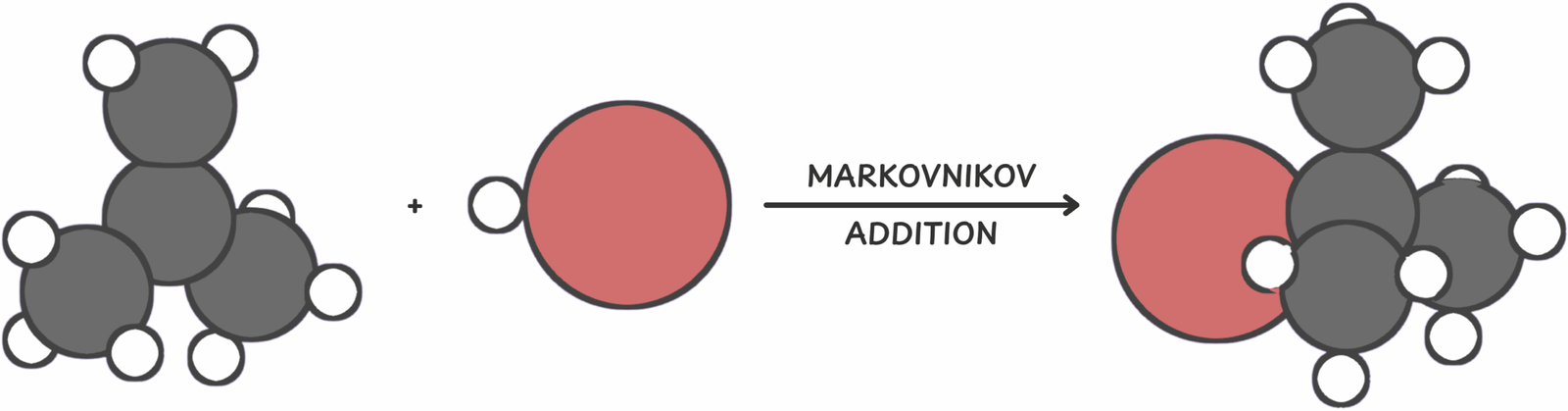
In the first case, hydrogen adds to the less substituted carbon of the double bond, and bromine adds to the more substituted carbon. This is called Markovnikov addition.
In the second case, hydrogen adds to the more substituted carbon, and bromine adds to the less substituted one. This is known as anti-Markovnikov addition.
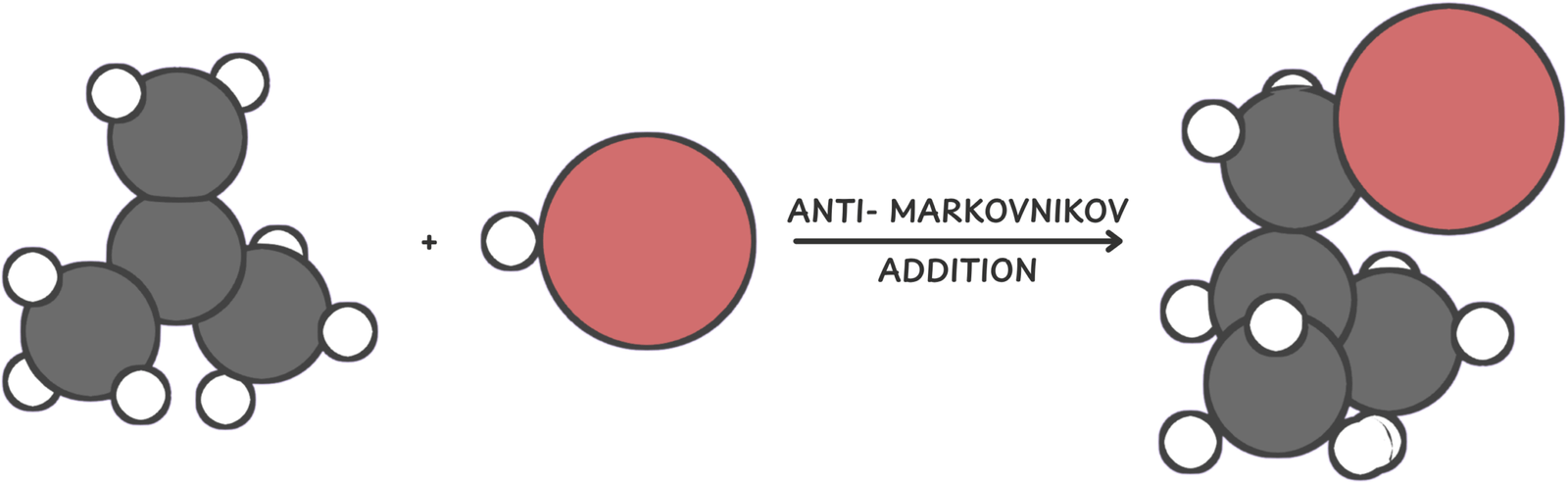
These two outcomes produce regioisomers, which are products that differ only in the position of the added group. Since one outcome is typically favored, the reaction is said to be regioselective.
Markovnikov addition
The Markovnikov addition of HBr to an alkene proceeds through a carbocation intermediate.
First, the alkene accepts a proton (H+) from HBr, forming a carbocation and releasing a bromide ion (Br-).
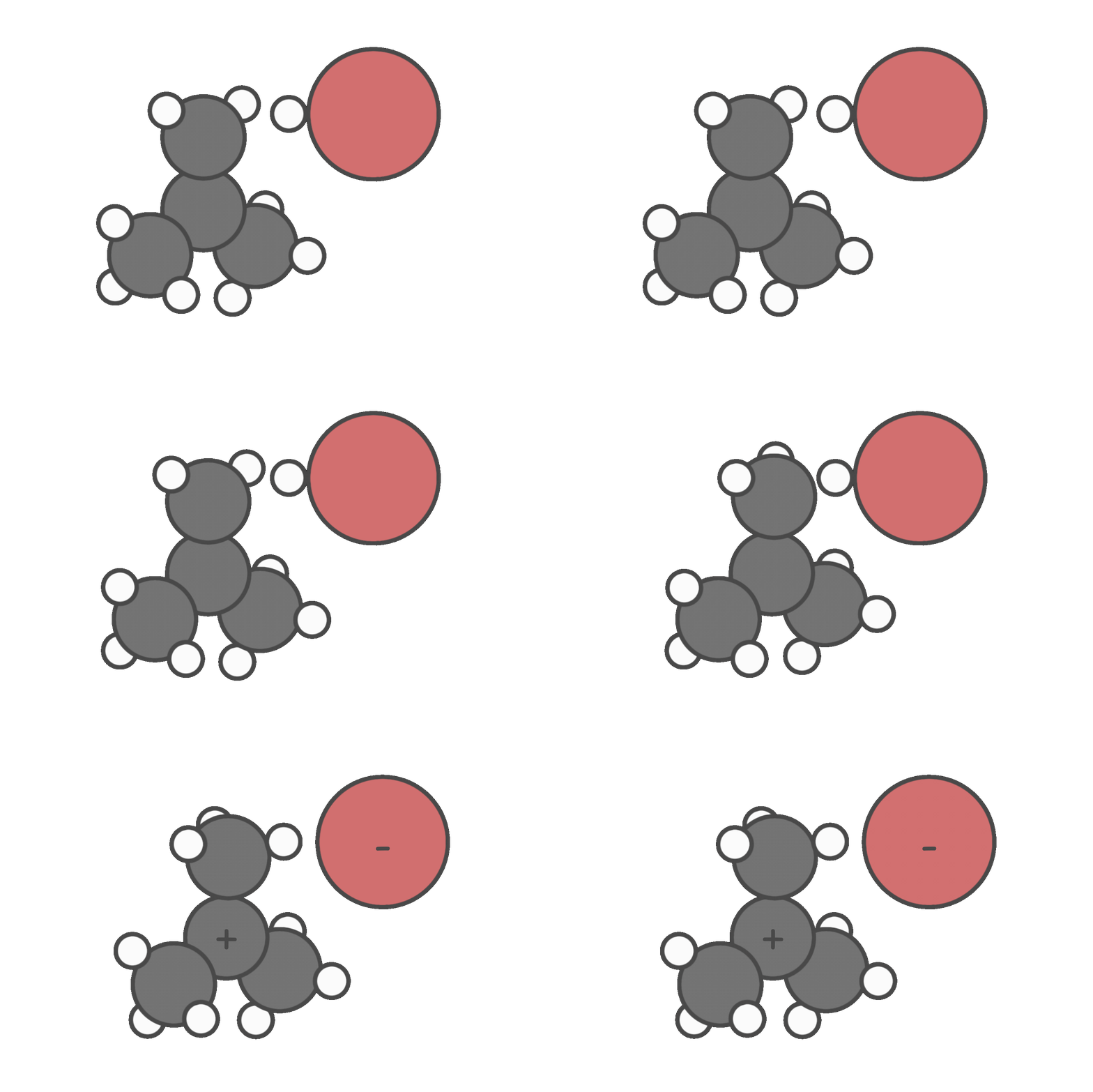
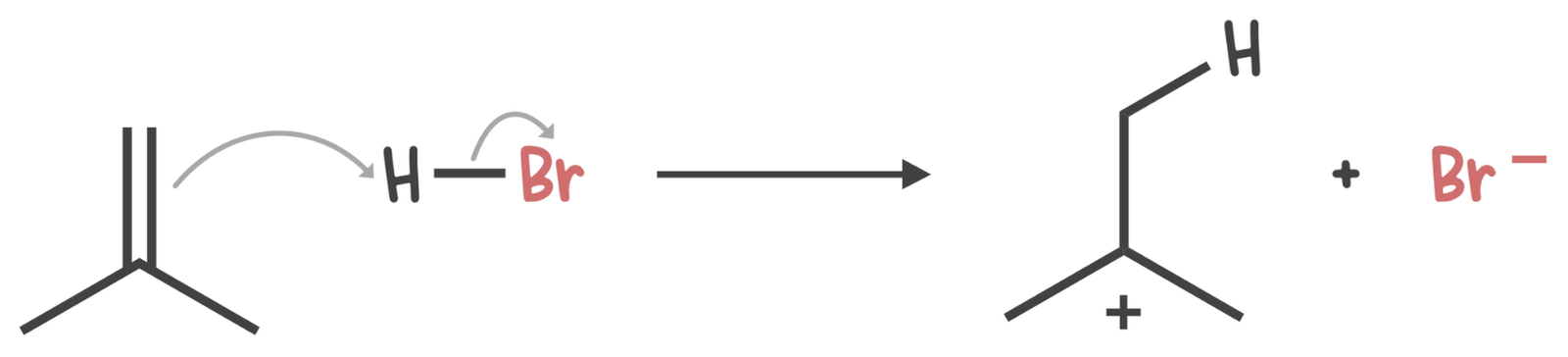
The proton adds in a way that places the positive charge on the more substituted carbon, resulting in a tertiary carbocation rather than a primary one.
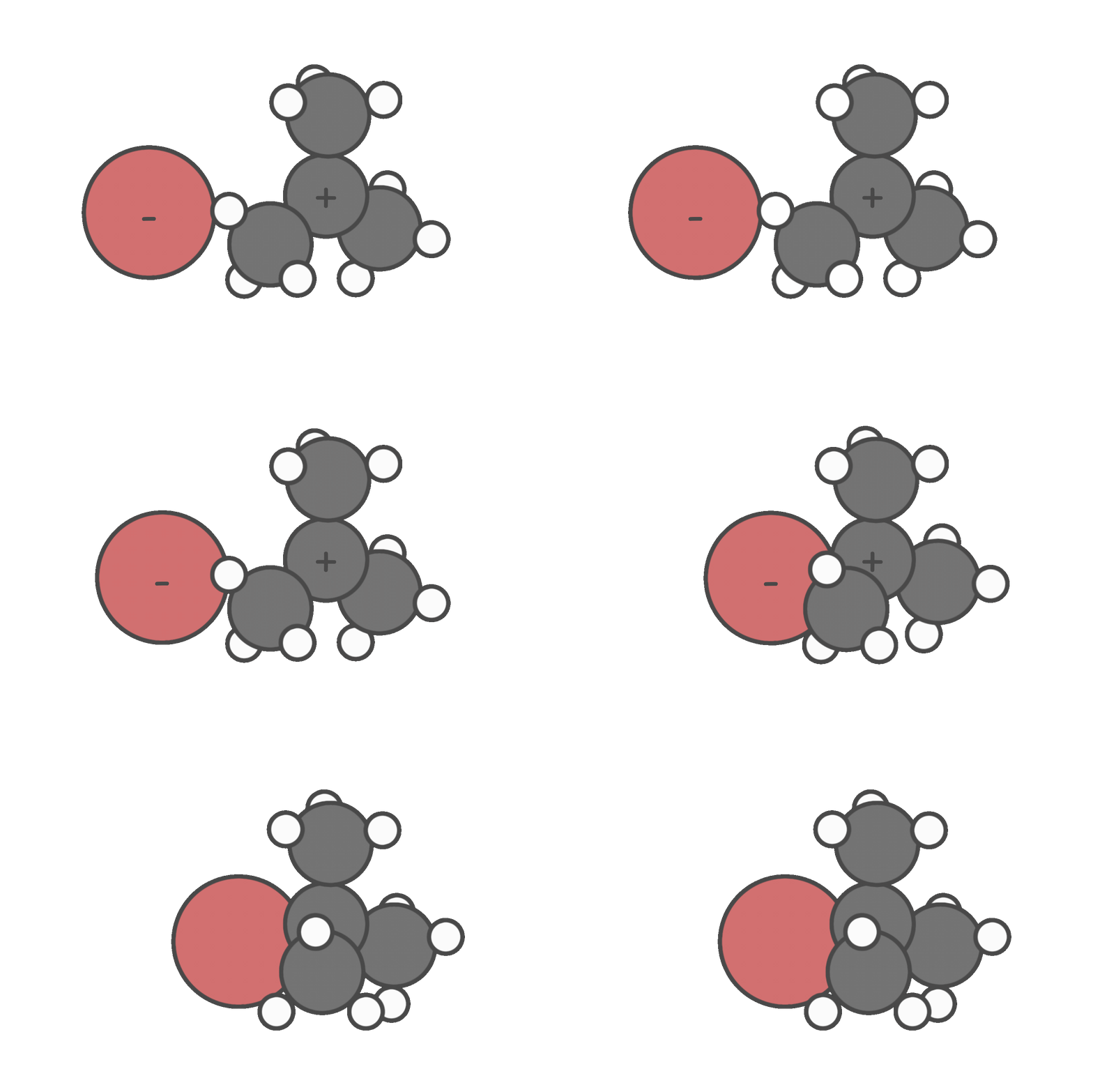
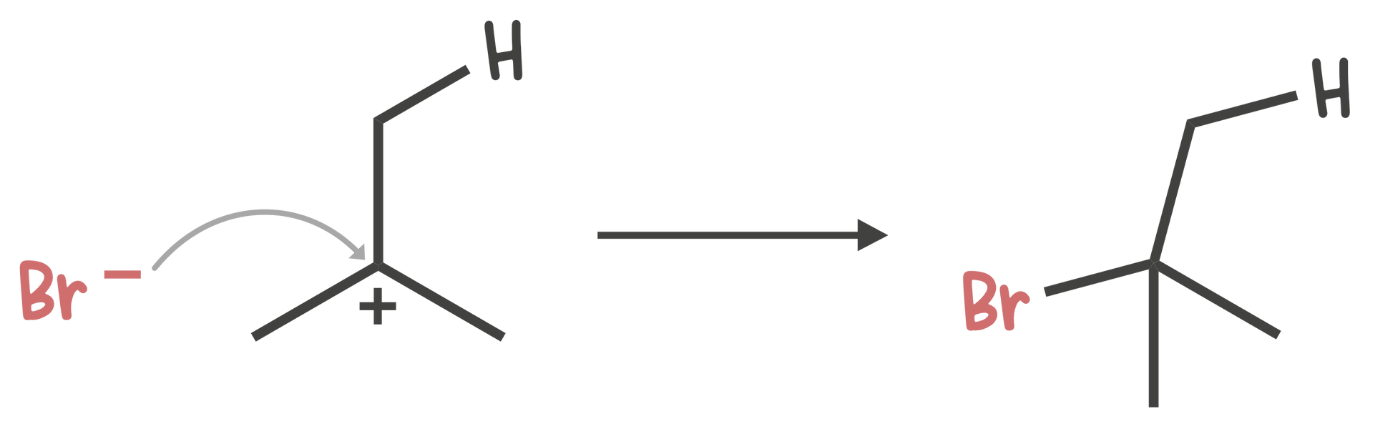
Next, the bromide ion (Br-) attacks the carbocation, forming the final product.
Net result:
- H adds to the less substituted carbon
- Br adds to the more substituted carbon
Anti-Markovnikov addition
The anti-Markovnikov addition of HBr to an alkene occurs in the presence of peroxides and proceeds through a radical mechanism.
First, peroxides initiate the formation of a bromine radical (Br•).
The bromine radical then attacks the less substituted carbon of the alkene. This forms a tertiary carbon radical rather than a primary one.
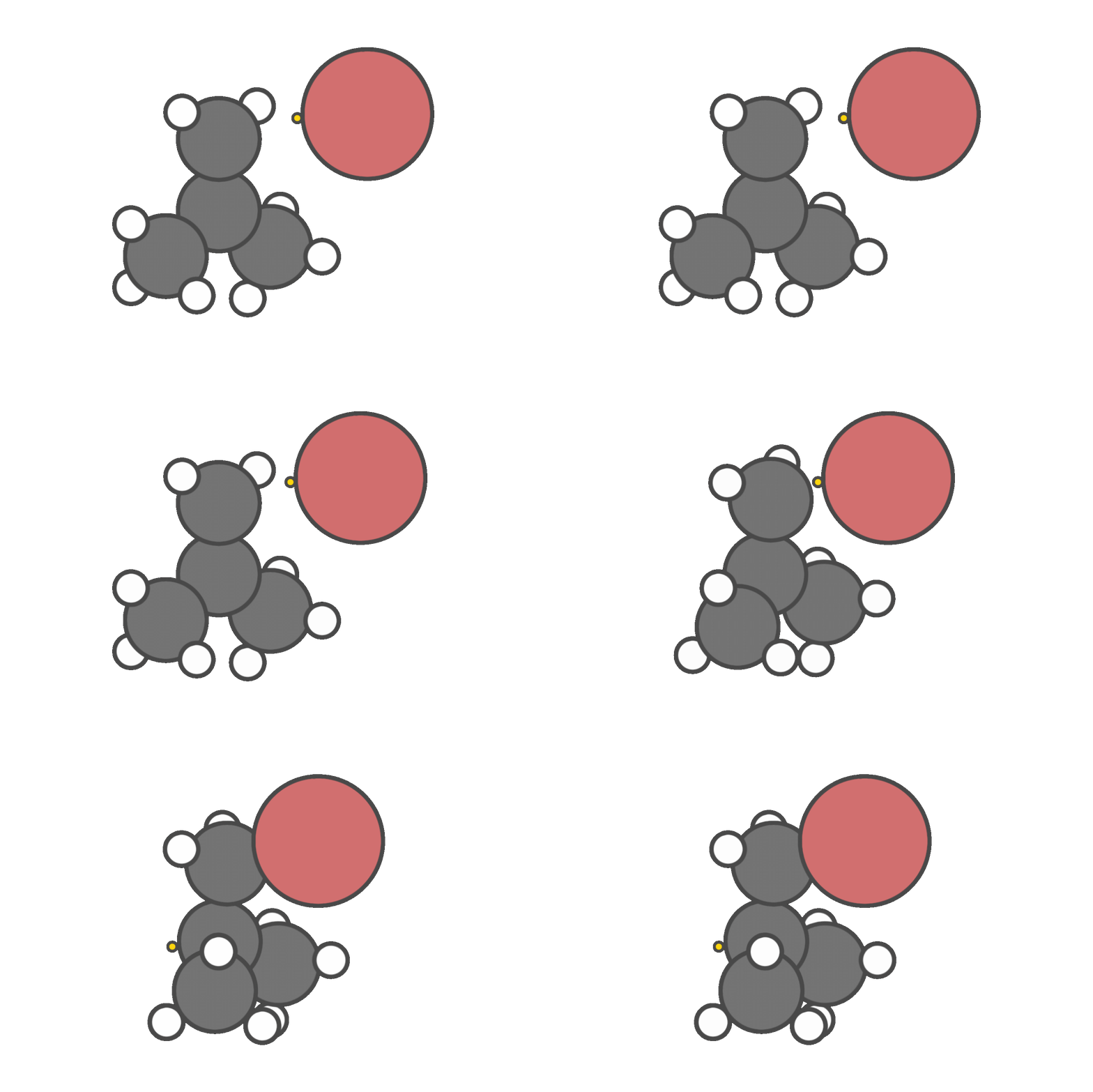
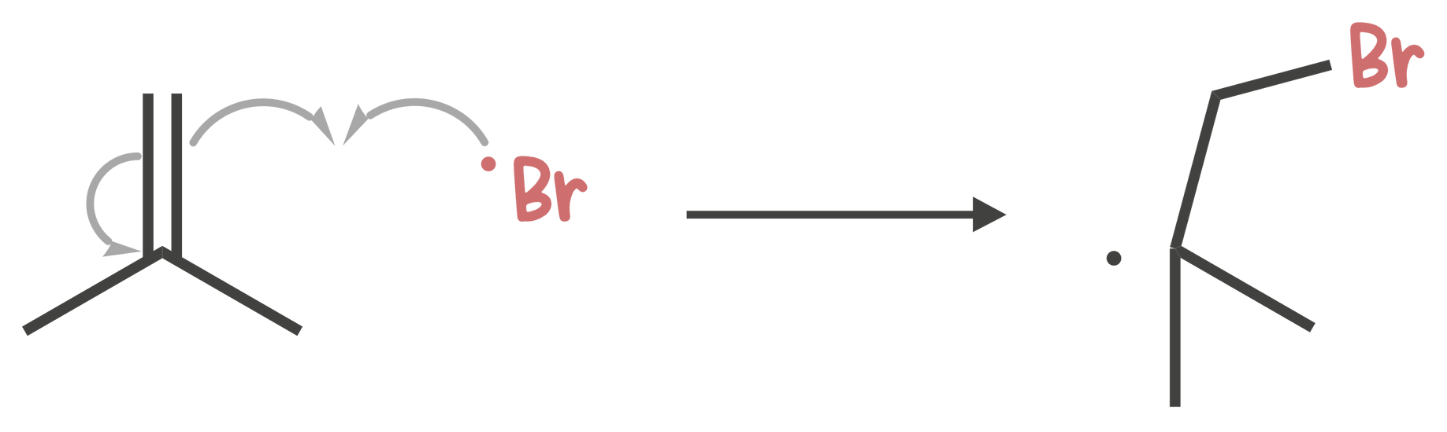
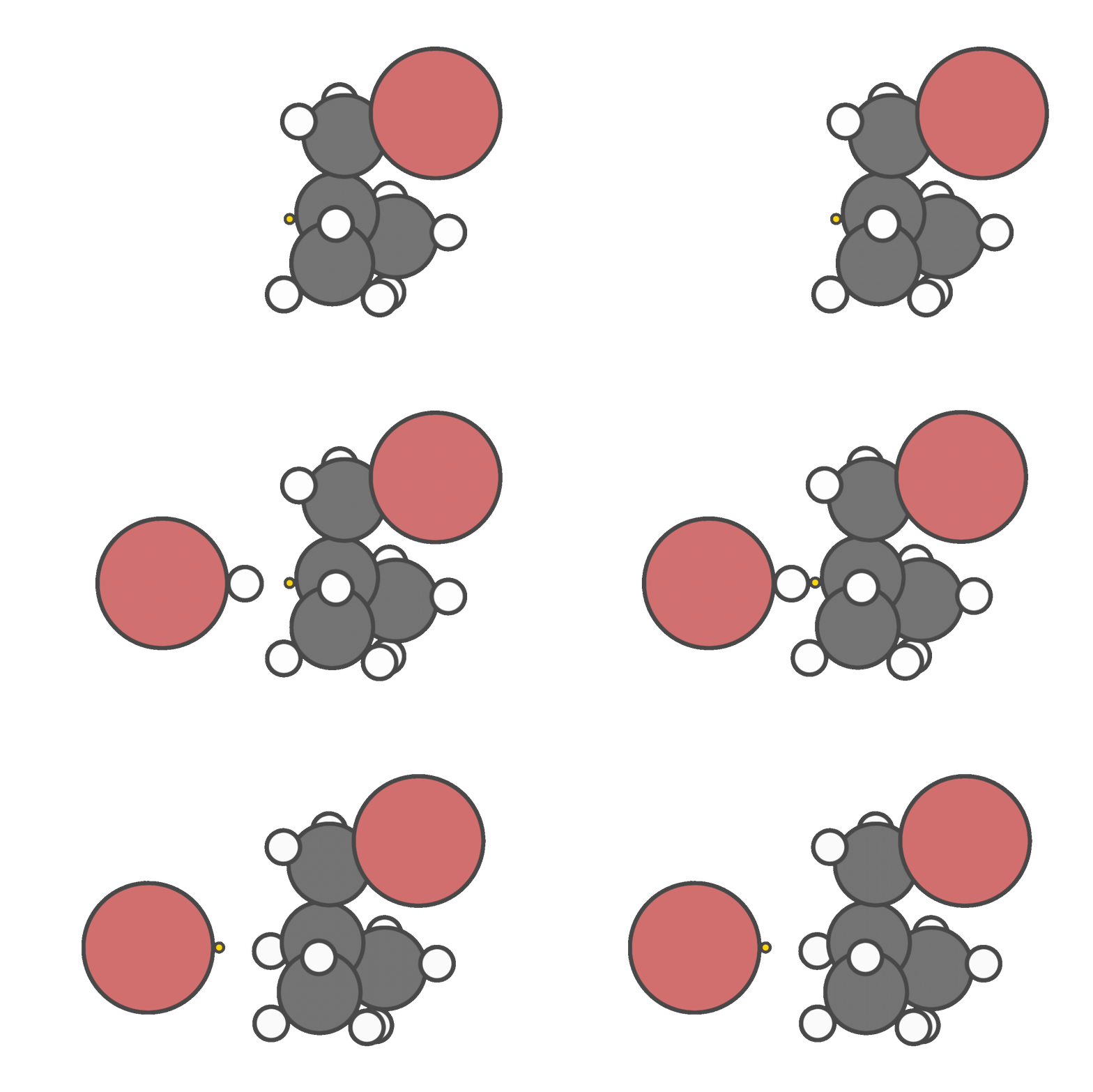
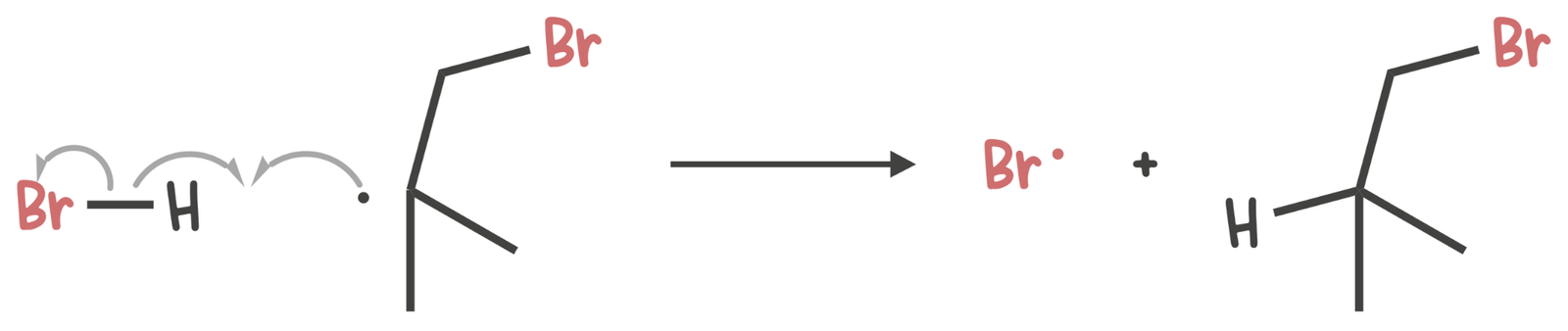
Next, the carbon radical abstracts a hydrogen atom from another molecule of HBr, forming the final product and regenerating the bromine radical (Br•).
Net result:
- H adds to the less substituted carbon
- Br adds to the more substituted carbon
In both cases, regioselectivity is determined by the reaction’s tendency to form the most stable intermediate.
Markovnikov-like addition
Some addition reactions are considered Markovnikov-like, such as the reaction of Br2 in water.
This type of reaction does not proceed through a carbocation intermediate. Instead, it involves the formation of a bromonium ion intermediate.
First, the alkene reacts with Br2 to form a three-membered bromonium ion.
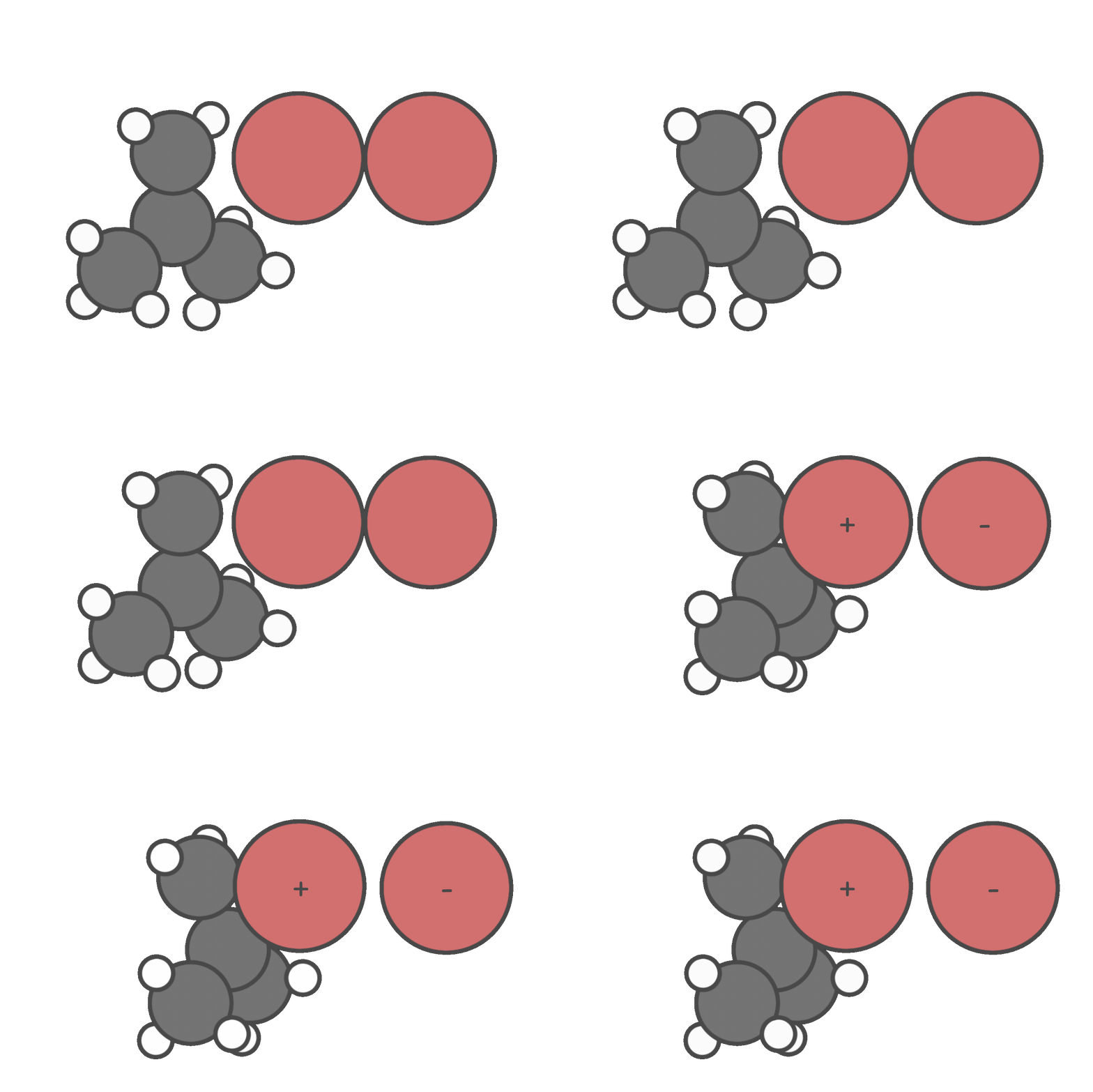

Then, water acts as a nucleophile and opens the ring by attacking the more substituted carbon, which carries more partial positive character.

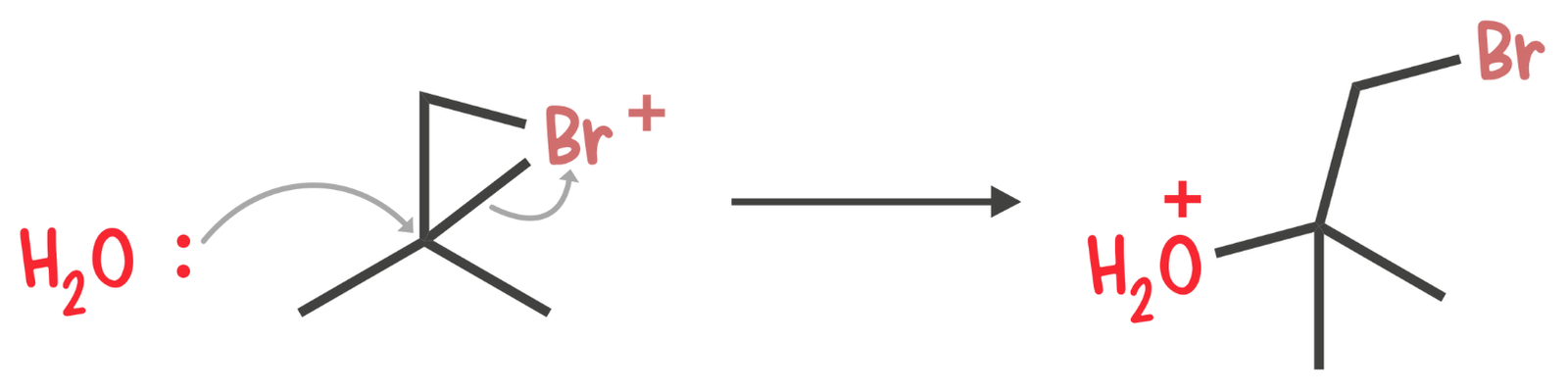
This leads to a product where OH ends up on the more substituted carbon, and Br ends up on the less substituted carbon.
Net result:
- Br adds to the less substituted carbon
- OH adds to the more substituted carbon
How to predict the regiochemistry of alkene reactions
Now that you understand the difference between Markovnikov and anti-Markovnikov addition, here’s a clear step-by-step approach to help you determine the regiochemistry of any alkene addition reaction.
Step 1: Is the alkene symmetrical or unsymmetrical?
If the alkene is symmetrical, regiochemistry does not apply. Both sides of the double bond are equally substituted.
If the alkene is unsymmetrical, identify which carbon of the double bond is more substituted and which is less substituted.
Step 2: What two groups are being added across the alkene?
Examine the reagents. If the two groups being added are the same (such as H and H, or Br and Br), regiochemistry is not relevant.
If the groups are different (such as H and Br, or Br and OH) and the alkene is unsymmetrical, then regioselectivity becomes important, and you need to determine which group adds to which carbon.
Step 3: What does the mechanism tell you about where each group adds?
Determine whether the reaction follows a Markovnikov or anti-Markovnikov pathway. Use the reaction conditions and reagents to identify the mechanism. Refer to the table below to guide your decision.
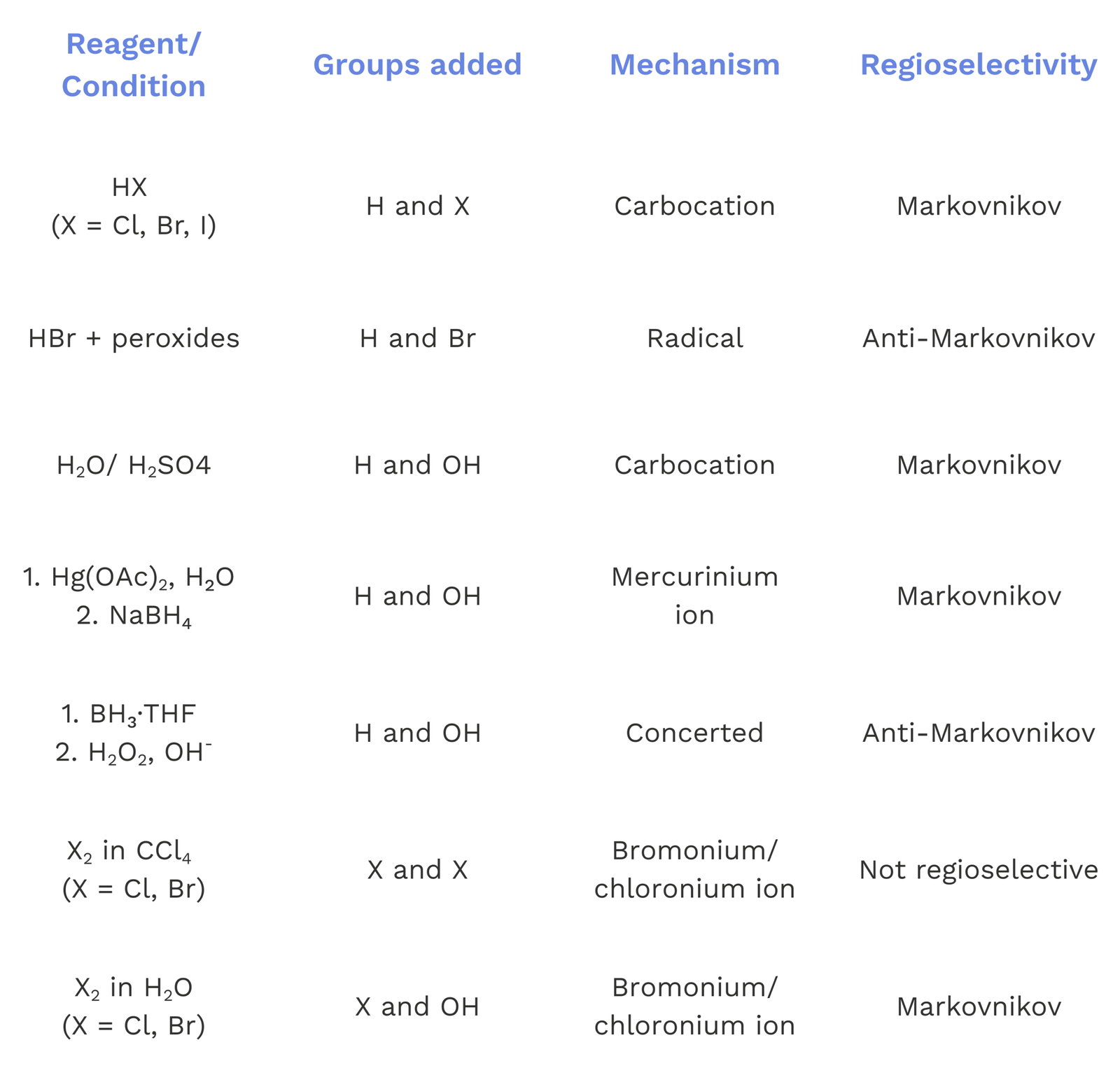
By following these three steps, you can predict the regiochemistry of most alkene addition reactions. The more examples you work through, the more intuitive this process will become.